 Free Orthopaedic Injury Advice
 Orthopaedic Urgent Cares
 Pay Bill
 Patient Portal
 Schedule an Appointment
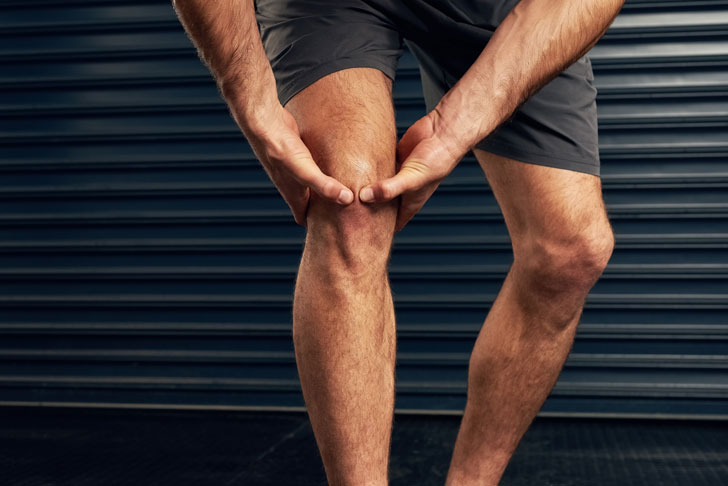
An ACL tear is one of the most common knee injuries, especially among athletes and active individuals. The ACL, or anterior cruciate ligament, is a strong band of tissue inside the knee that helps stabilize the joint and control forward movement and rotation of the shinbone. When this ligament is stretched or torn, the knee may feel painful, swollen, or unstable.
ACL tears often happen during sports or activities that involve sudden stops, quick changes in direction, jumping, landing, or pivoting. Basketball, soccer, football, volleyball, skiing, and similar activities can place high stress on the knee. However, ACL injuries can also occur from falls, awkward landings, or direct impact to the knee.
Common Symptoms of an ACL Tear
Many people who tear their ACL report hearing or feeling a “pop” at the time of injury. Symptoms may include:
- Sudden knee pain
- Rapid swelling
- Trouble bearing weight
- A feeling that the knee may “give out”
- Loss of range of motion
- Difficulty returning to sports or normal activity
Because ACL symptoms can overlap with other knee injuries, such as meniscus tears or collateral ligament injuries, it is important to be evaluated by an orthopedic specialist.
How Is an ACL Tear Diagnosed?
Diagnosis usually begins with a physical exam. Your provider may check swelling, tenderness, range of motion, and knee stability compared with your uninjured knee. Imaging may also be recommended. An MRI is often used to evaluate the ACL and look for related injuries to the meniscus, cartilage, or other ligaments.
Treatment Options for an ACL Tear
Treatment depends on several factors, including the severity of the tear, your activity level, age, symptoms, and goals. Not every ACL tear requires surgery.
For some patients, especially those with partial tears or lower activity demands, non-surgical treatment may be appropriate. This may include bracing, activity modification, anti-inflammatory measures, and a structured physical therapy program to improve strength, balance, flexibility, and knee control.
For active patients, athletes, or those with ongoing instability, ACL reconstruction surgery may be recommended. During ACL reconstruction, the torn ligament is replaced with a graft, often using tissue from the patient or a donor. According to clinical guidance from the American Academy of Orthopaedic Surgeons, ACL tears that require surgery are generally treated with ACL reconstruction rather than ligament repair because of a lower risk of revision surgery.
Recovery After an ACL Tear
Recovery from an ACL tear takes time and commitment. Physical therapy is a key part of healing, whether or not surgery is needed. After ACL reconstruction, rehabilitation typically focuses on reducing swelling, restoring motion, rebuilding strength, improving balance, and gradually returning to activity.
Knee Pain or Possible ACL Injury?
A prompt evaluation can help protect your knee and prevent further injury. At Ozark Orthopaedics, our orthopedic and sports medicine specialists provide comprehensive care for knee injuries, including ACL tears, diagnostic imaging, surgical and non-surgical treatment options, and physical therapy.
If you have sudden knee pain, swelling, or instability, schedule an appointment with Ozark Orthopaedics or visit one of our orthopedic urgent care locations in Fayetteville or Bentonville. Walk-ins are welcome, Monday through Friday, 8 AM to 8 PM.