 Free Orthopaedic Injury Advice
 Orthopaedic Urgent Cares
 Pay Bill
 Patient Portal
 Schedule an Appointment
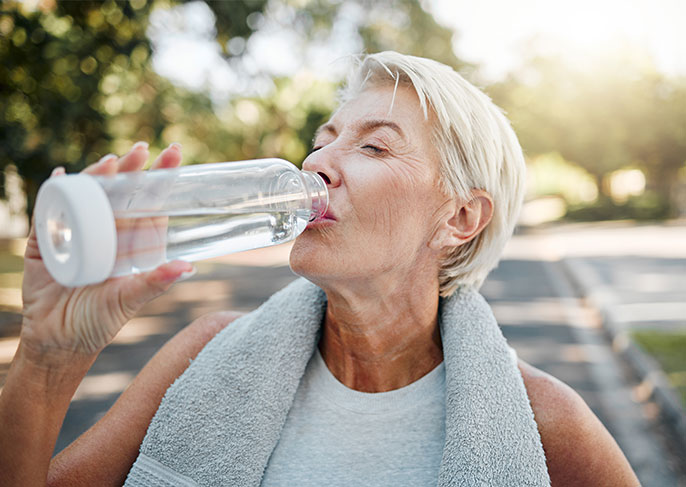
As the summer months approach, staying hydrated becomes more crucial than ever. At Ozark Orthopaedics, we believe in the holistic well-being of our patients, which includes understanding the essential role hydration plays in maintaining joint health. While hydration is often discussed in the context of overall health, its specific impact on joints is equally important and often overlooked.
The Role of Water in the Body
Water is fundamental to the human body, making up about 60% of an adult’s body weight. It plays several critical roles, including regulating body temperature, aiding digestion, and removing waste. However, its importance extends to joint health, as water is a major component of the cartilage that cushions joints and the synovial fluid that lubricates them.
Hydration and Cartilage Health
Cartilage is a flexible, rubbery tissue that covers the ends of bones in joints, providing a smooth surface for movement and absorbing shock. Cartilage is composed primarily of water—up to 80% in some joints. Proper hydration ensures that cartilage remains pliable and effective in its role as a shock absorber. When the body is dehydrated, cartilage loses water, becoming more brittle and less able to cushion the joints, leading to increased wear and tear.
Synovial Fluid and Joint Lubrication
Synovial fluid is the thick, slippery substance that surrounds joints, reducing friction and enabling smooth movement. This fluid is also crucial for delivering nutrients to the cartilage. Adequate hydration maintains the volume and viscosity of synovial fluid, ensuring joints move smoothly and remain well-nourished. Dehydration can decrease the production of synovial fluid, resulting in stiffer, less flexible joints and increasing the risk of joint pain and injuries.
Preventing Joint Pain and Stiffness
Hydration is not just about preventing chronic joint conditions; it is also key to avoiding everyday joint pain and stiffness. Dehydration can lead to reduced joint lubrication and increased friction, causing discomfort during movement. Staying well-hydrated helps maintain optimal joint function, reducing the likelihood of experiencing pain and stiffness after physical activity.
Hydration and Physical Activity
Regular physical activity is vital for joint health, but it also increases the body’s need for water. During exercise, the body loses water through sweat, and if this fluid is not replaced, dehydration can set in. This is particularly important during the summer months when higher temperatures can accelerate fluid loss. Athletes and active individuals should pay special attention to their hydration levels, drinking water before, during, and after exercise to support joint health and overall performance.
Tips for Staying Hydrated
1. Drink Plenty of Water: Aim to drink at least 8-10 glasses of water a day, more if you are physically active or exposed to hot weather.
2. Eat Hydrating Foods: Incorporate foods with high water content into your diet, such as fruits (watermelon, oranges) and vegetables (cucumbers, lettuce).
3. Monitor Your Urine: A simple way to check your hydration level is to monitor the color of your urine. Light yellow indicates proper hydration, while dark yellow suggests you need to drink more water.
4. Avoid Dehydrating Beverages: Limit the intake of caffeine and alcohol, as these can contribute to dehydration.
5. Set Reminders: Use phone alarms or apps to remind you to drink water throughout the day.
At Ozark Orthopaedics, we emphasize the importance of hydration for maintaining healthy joints, especially during the hot summer months. Proper hydration supports cartilage health, ensures adequate synovial fluid, and prevents joint pain and stiffness. By making hydration a priority, you can protect your joints and enhance your overall quality of life. If you have any concerns about joint health or need personalized advice, don’t hesitate to reach out to our team of experts. Stay hydrated and keep moving!
To schedule an appointment, contact us here.