 Free Orthopaedic Injury Advice
 Orthopaedic Urgent Cares
 Pay Bill
 Patient Portal
 Schedule an Appointment

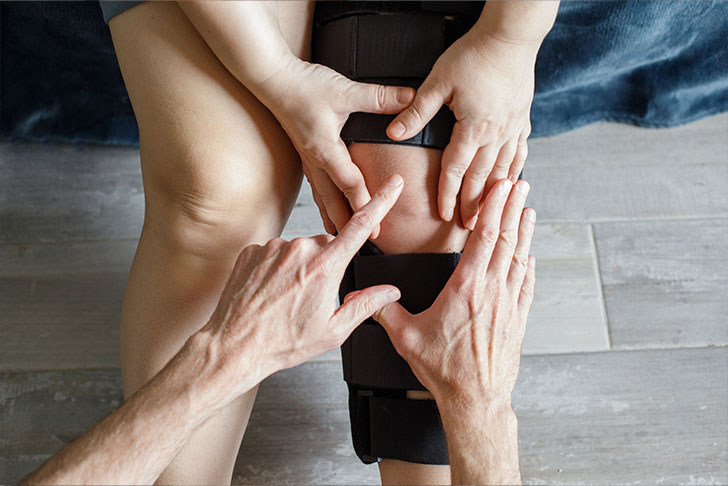
A meniscus tear is one of the most common knee injuries, especially among athletes and active adults. The meniscus is a C-shaped piece of cartilage that acts like a shock absorber between the thighbone and shinbone. Each knee has two menisci, and they help cushion the joint, improve stability, and protect the knee during walking, running, squatting, twisting, and cutting movements.
A torn meniscus can happen suddenly during sports or physical activity, often when the knee twists while the foot stays planted. Meniscus tears can also develop gradually over time because of wear and tear, especially in adults with age-related cartilage changes or arthritis.
Common Symptoms of a Meniscus Tear
Meniscus tear symptoms can vary depending on the size, location, and type of tear. Some people feel a pop at the time of injury, while others notice pain and swelling develop over the next several hours or days.
Common signs of a torn meniscus include:
- Knee pain, especially along the joint line
- Swelling or stiffness
- Pain with twisting, squatting, or kneeling
- Catching, clicking, or locking in the knee
- Difficulty fully straightening or bending the knee
- Feeling like the knee may give way
- Trouble returning to sports, exercise, or normal daily activities
If your knee locks, swells significantly, feels unstable, or does not improve with rest, it is time to see a sports medicine specialist.
How Is a Meniscus Tear Diagnosed?
A specialist will usually begin with a physical exam, medical history, and discussion of how the injury happened. X-rays may be used to check for arthritis, fractures, or other causes of knee pain. Because a meniscus tear involves soft tissue, an MRI may be recommended to better evaluate the cartilage and surrounding structures.
How Is a Meniscus Tear Treated?
Treatment depends on the tear pattern, location, severity, your age, activity level, and whether other knee injuries are present. Some meniscus tears can be treated without surgery. Nonsurgical care may include rest, ice, anti-inflammatory medication, activity modification, bracing, and physical therapy to improve strength, flexibility, and stability.
If symptoms continue or the knee catches, locks, or limits activity, surgery may be considered. Meniscus surgery is often performed arthroscopically using small incisions and a camera. Depending on the tear, the surgeon may repair the meniscus or remove the damaged portion while preserving as much healthy tissue as possible.
Schedule With Ozark Orthopaedics
At Ozark Orthopaedics, our outstanding sports medicine doctors in Northwest Arkansas help patients diagnose and treat knee injuries, including meniscus tears.
Do not ignore ongoing knee pain, swelling, or locking. Schedule an appointment with Ozark Orthopaedics today and let our sports medicine specialists help you get back to moving with confidence.