 Free Orthopaedic Injury Advice
 Orthopaedic Urgent Cares
 Pay Bill
 Patient Portal
 Schedule an Appointment

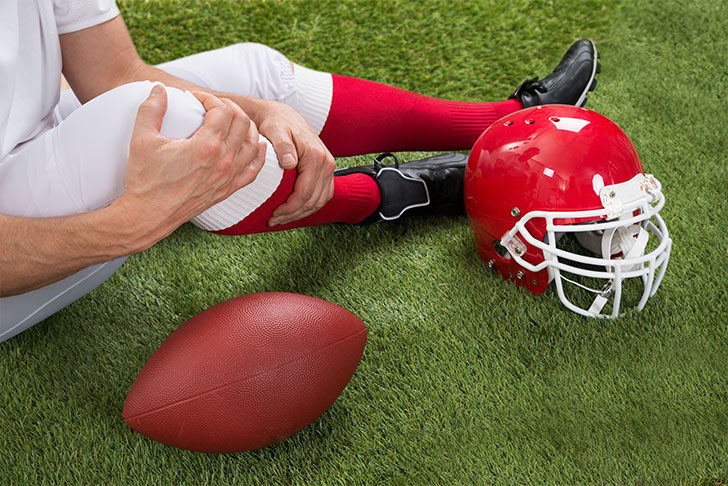
Aches and minor soreness can happen during a busy sports season. But if a student athlete has ongoing pain, swelling, difficulty moving a joint, or trouble putting weight on an injured leg, rest alone may not be enough. An evaluation can help identify whether the problem is a sprain, fracture, or another injury—and guide a safe return to sports.
Common Sports Injuries in Student Athletes
Sports injuries can happen during practice, competition, or a fall. Common examples include:
- Sprains: A ligament is stretched or torn, often causing pain, swelling, bruising, or difficulty using the joint.
- Fractures: A bone may be broken after a direct impact, fall, or sudden force. Pain and tenderness over a bone deserve attention, even if swelling is limited.
- Overuse injuries: Repeated stress can lead to pain that develops gradually or returns during activity. A stress fracture is one possible cause of persistent, localized pain.
- Other joint and soft tissue injuries: A student may have pain, swelling, stiffness, or a feeling that a joint is unstable after a twist or impact.
It can be difficult to tell these injuries apart at home. Symptoms do not always show how serious an injury is, and young athletes’ bones are still growing.
Signs Your Child May Need an Evaluation
Consider contacting a medical professional if your child:
- Has pain that continues, worsens, or returns when they resume activity
- Has tenderness in one specific spot over a bone
- Is limping, avoiding an arm or leg, or struggling to bear weight
- Has significant swelling, bruising, or reduced movement
- Feels that a joint is unstable or cannot use it normally
- Has pain that interferes with practice, games, school, or daily activities
A suspected fracture, a visible deformity, or an injury that prevents your child from using the affected limb should be evaluated promptly. Seek emergency care for a severe injury, an open wound with visible bone, significant numbness or weakness, or a limb that becomes cold or discolored.
Why “Playing Through It” Can Be a Problem
When an athlete returns before an injury has healed, the injured area may be exposed to more stress. Some injuries can worsen with continued play, and favoring one side of the body may affect movement elsewhere. Persistent pain is a reason to pause and get guidance, rather than relying on a game schedule to decide when it is safe to return.
What to Expect from an Orthopaedic Evaluation
An orthopaedic professional may ask how the injury happened, when symptoms began, and which activities make them better or worse. The evaluation may include checking movement, strength, tenderness, and stability. Imaging may be recommended when needed to assess for a fracture or other injury.
The next steps depend on the diagnosis. Care may involve activity changes, support or bracing, rehabilitation, or other treatment. A sports medicine professional can also help guide a gradual return to activity based on the athlete’s symptoms, function, and recovery.
Helping Your Student Athlete Return Safely
There is no single return-to-play timeline for every injury. A student athlete should follow their care team’s guidance and avoid returning just because an important game is coming up or pain has temporarily eased. The goal is to resume sports when it is appropriate for that athlete and injury.
If your child’s sports injury isn’t improving, the sports medicine specialists at Ozark Orthopaedics can evaluate the injury and discuss next steps. For a new injury, visit an Ozark Orthopaedics Urgent Care clinic; walk-ins are welcome Monday through Friday, 8 a.m. to 8 p.m. You can also request an appointment or get immediate, free orthopaedic guidance through our HURT! app.