 Free Orthopaedic Injury Advice
 Orthopaedic Urgent Cares
 Pay Bill
 Patient Portal
 Schedule an Appointment

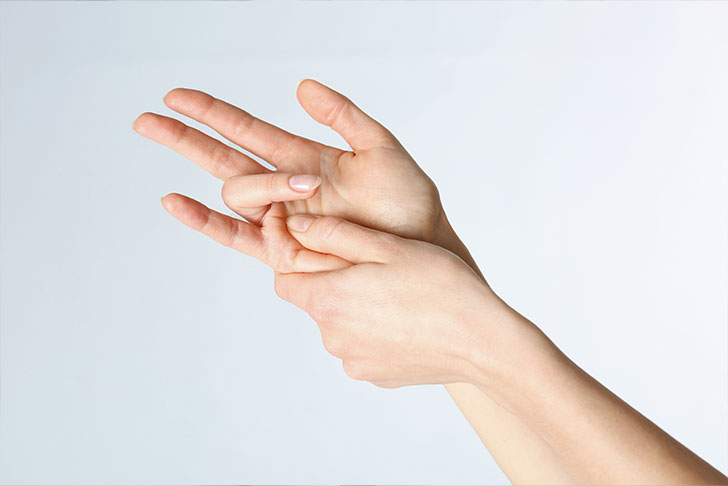
Trigger finger is a common hand condition that can cause a finger or thumb to catch, click, pop, or lock when you try to bend or straighten it. Medically, trigger finger is often related to irritation or inflammation around the tendon that helps your finger move. When the tendon cannot glide smoothly through its protective sheath, the finger may feel stuck or may suddenly release with a snap.
Although the name may sound unusual, trigger finger can be painful and frustrating. It can affect your ability to grip, write, type, open jars, hold tools, play sports, or complete everyday tasks.
Common Symptoms of Trigger Finger
Trigger finger symptoms can range from mild stiffness to a finger that locks in a bent position. Symptoms may be worse in the morning or after repeated hand use.
Common signs include:
- Clicking, popping, or catching when moving the finger
- Finger stiffness, especially in the morning
- Pain or tenderness at the base of the finger or thumb
- A small bump or sore area in the palm
- Difficulty fully bending or straightening the finger
- A finger or thumb that locks and then suddenly releases
- A finger that becomes stuck in a bent position
Trigger finger can affect one finger or multiple fingers. It can also occur in the thumb, where it may be called trigger thumb.
What Causes Trigger Finger?
Trigger finger often develops when the tendon or tendon sheath becomes irritated, thickened, or swollen. Repetitive gripping, forceful hand use, certain medical conditions, and inflammation may increase the likelihood of symptoms. People with diabetes or rheumatoid arthritis may also have a higher risk of developing trigger finger.
Sometimes symptoms begin gradually without a clear injury. Other times, patients notice worsening pain or stiffness after frequent gripping, lifting, or repetitive work.
How Is Trigger Finger Treated?
Treatment depends on how severe your symptoms are and how long they have been present. Mild cases may improve with rest, activity modification, splinting, anti-inflammatory medication, or hand therapy. If symptoms continue, a corticosteroid injection may be recommended to reduce inflammation and help the tendon glide more smoothly.
For severe trigger finger, recurring symptoms, or a finger that remains locked, surgery may be considered. Trigger finger release is designed to open the tight area around the tendon so the finger can move more freely.
When Should You See a Hand and Wrist Specialist?
You should schedule an appointment if your finger catches or locks repeatedly, pain interferes with daily activities, symptoms are worsening, or you cannot straighten the finger comfortably.
At Ozark Orthopaedics, our outstanding hand and wrist doctors in Northwest Arkansas include R. Bryan Benafield Jr., MD, fellowship-trained in hand and upper extremity surgery; C. Noel Henley, MD, a fellowship-trained orthopaedic surgeon specializing in hand, wrist, and elbow surgery; and Jeff W. Johnson, MD, an orthopaedic surgeon with a fellowship in hand and upper extremity surgery.
If trigger finger is making it harder to use your hand comfortably, schedule an appointment with Ozark Orthopaedics today and let our hand and wrist specialists help you find the right treatment plan.